

Chapter 2
Teaching Goals, Strategies and Evaluation Methods
Goals, strategies and evaluation methods are where function meets form. It is where the efficacy of approaches born of theory can be tested and proven and where improvements can be made, often in real time.


Class Room Experience
BUILDING STUDENTS
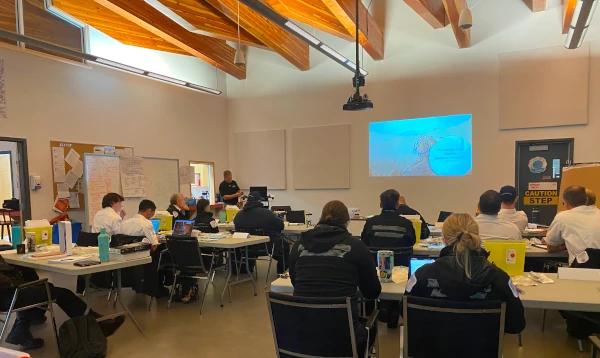
The Essentialist practice of lecture remains one of the mainstays of teaching, for good reasons. Mine is a non-traditional lecture style. While incorporating the age old Socratic practice of engaging students in a dialogue, I try for example, to incorporate technology to engage students. I use live polling and idea mapping to guide lectures and stimulate group discussions.
Zepke and Leach (2010) found that active and collaborative learning helps to foster learning relationships and enhances engagement. While facilitating in-person classes and lectures, I use small group projects and competitive quizzes to build relationships among the students. The projects also give students the opportunity to work autonomously and build confidence.


TEACHING ONLINE
Engagement
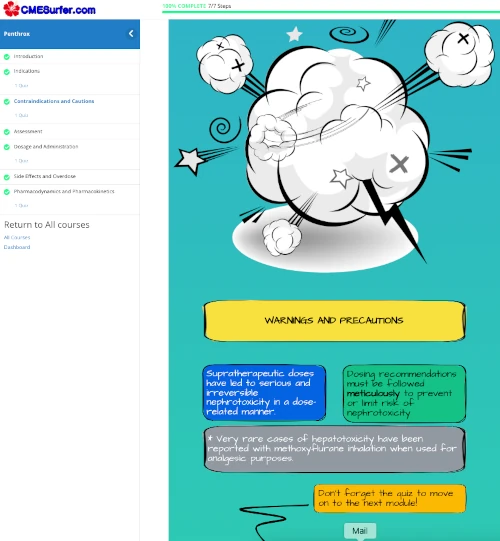
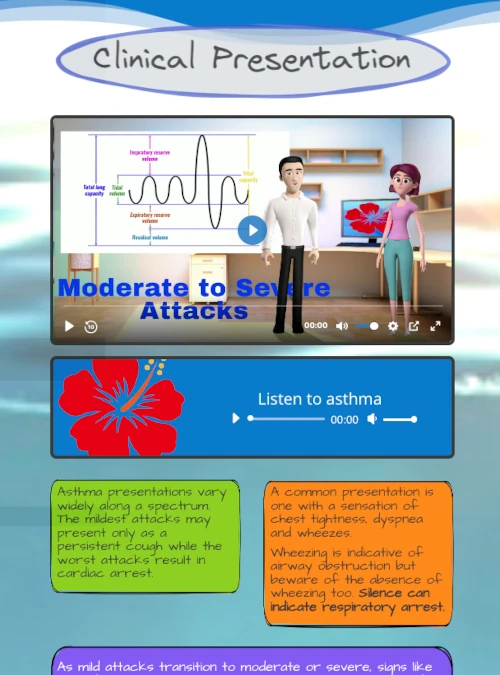
Many of the courses that I have developed are online and asynchronous. In the online teaching environment, engagement becomes an even bigger challenge.
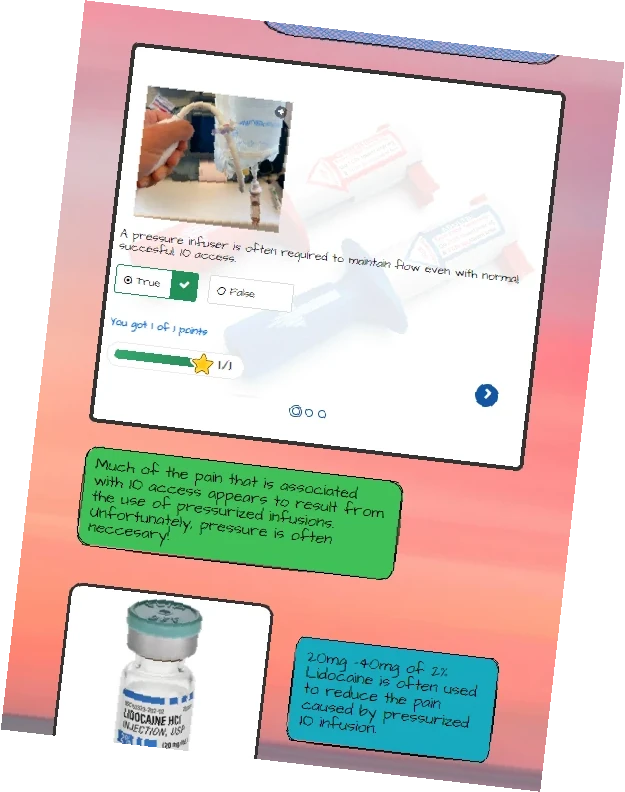
Visually appealing videos and regular formative quizzes are central to retaining user interest.

References
Zepke, N., & Leach, L. (2010). Improving student engagement: Ten proposals for action. Active Learning in Higher Education, 11, 167 -177. Accessed at: http://alh.sagepub.com.login.ezproxy.library.ualberta.ca/content/11/3/167.full.pdf+html
Get in Touch
TMDonnel@UAlberta.ca
